• Add
  • Berlin, IFA and the power of genuine connections

    When a trade fair only showcases what can just as easily be streamed, it loses its purpose. It becomes relevant where no stream can compete: through first-hand experience, conversation and hands-on discovery. That is exactly what IFA has been doing for over 100 years. It turns presentations into encounters, products into experiences and visitors into conversation partners.

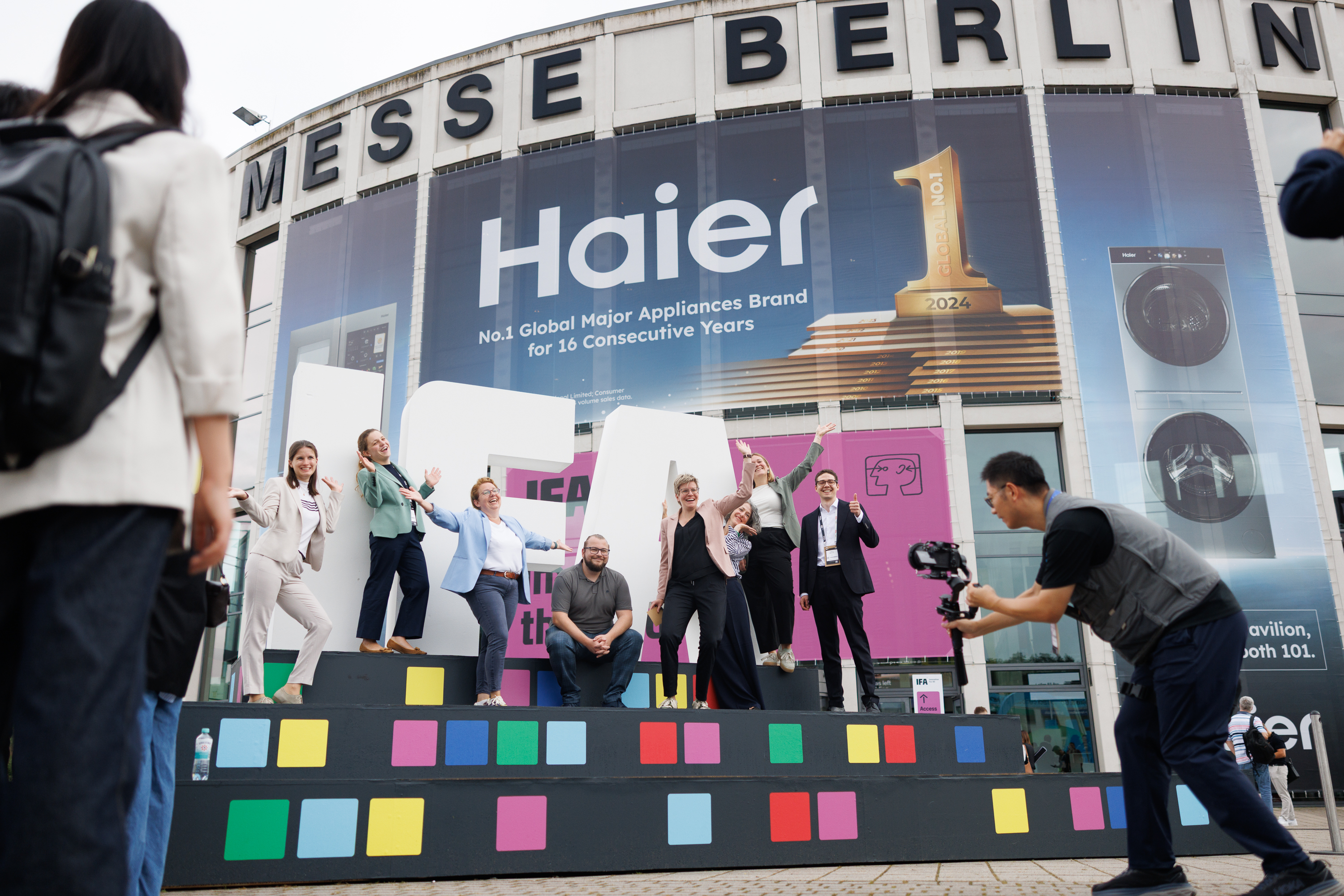
    People posing on a colorful stage outside Messe Berlin exhibition center.

    Interview with Leif Lindner, CEO of IFA Management GmbH

    Smiling man in a black t-shirt standing against a plain white background.

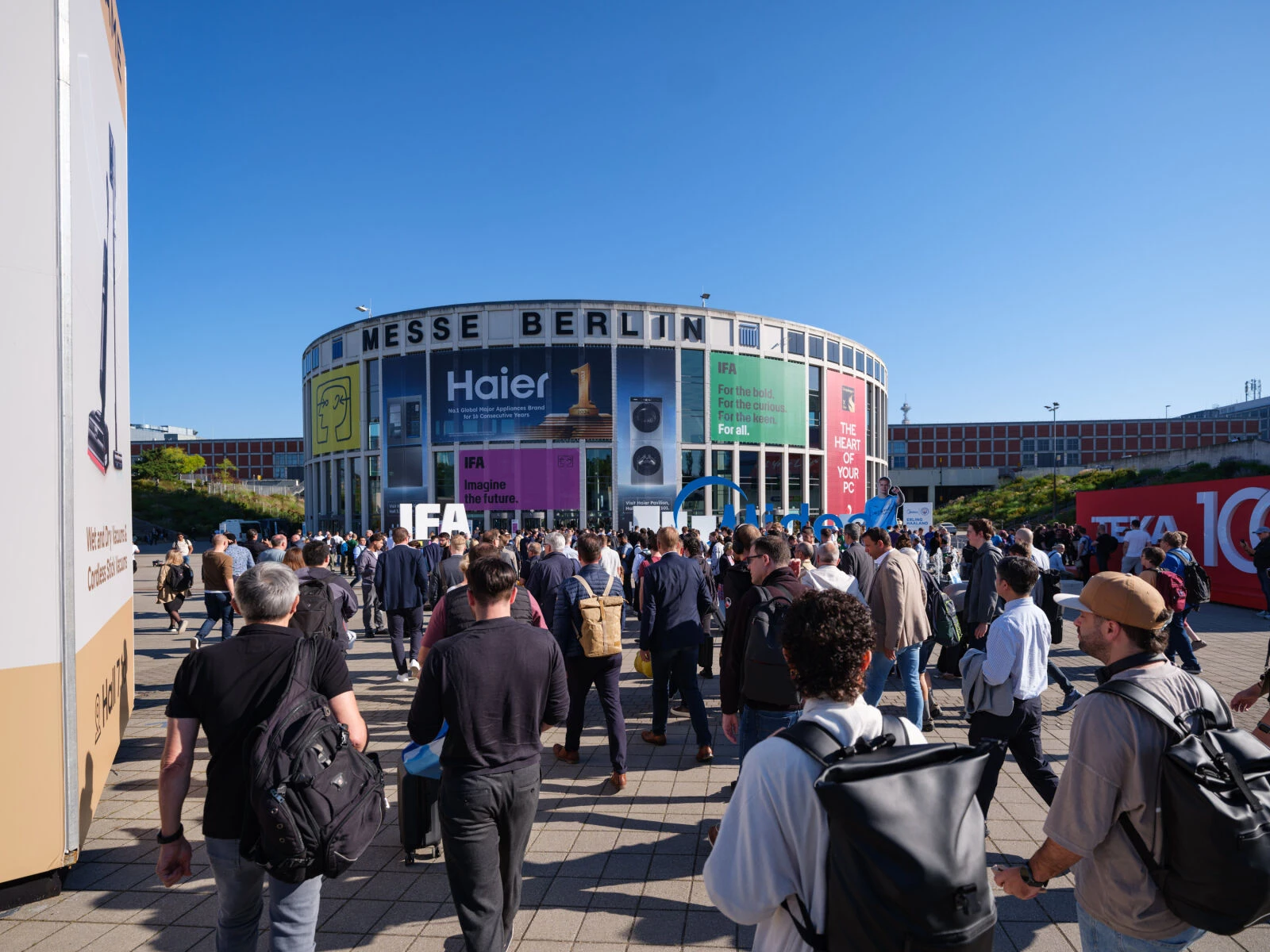
    At the beginning of September, when the exhibition halls open beneath the Funkturm, Berlin becomes the meeting place for five days during IFA for everything that could change our everyday lives. For technologies that will soon find their way into kitchens, living rooms, offices or pockets: consumer tech, smart devices, AI, gaming, health, mobility and new ideas for a connected life.

    IFA was founded in Berlin in 1924. Today, it is one of the most important international platforms in its sector and is a best case showing that tradition does not mean standing still. In 2025, around 220,000 visitors and more than 1,900 exhibitors came to Berlin. For event planners from all over the world, IFA is therefore more than a major tech trade fair. It shows what live formats need to achieve today: bringing people together, providing guidance, taking social issues seriously and creating experiences that stay in people’s minds.

    We spoke to Leif Lindner, CEO of IFA Management GmbH, about why Berlin and IFA are such a good fit, the impact major events have on a city, and how the trade fair is evolving through sustainability, accessibility and “Innovation For All”.

    Why, in your view, is Berlin the right location for a global innovation platform such as IFA?

    Leif Lindner: IFA and Berlin belong together, and have done for over 100 years. This is where history and the future come together in a very special way. The city stands for internationality, creativity and a strong exchange between research, start-ups and industry. Today, Berlin is Germany’s leading tech hub, with a start-up ecosystem worth 169 billion Euro, including 57 unicorns. At the same time, almost 30 universities and more than 80 research institutions provide exactly the environment a global innovation platform needs. For a platform like IFA, which has been rooted in Berlin since 1924 and embodies the ambition of “Innovation For All”, there is no more credible location.

    What economic impact and international appeal do major events such as IFA have for Berlin?

    Leif Lindner: Major events such as IFA have an impact in two ways: economically and reputationally. Economically, they bring international guests to Berlin and strengthen the hotel sector, gastronomy, mobility and retail. In 2024, Berlin recorded 12.7 million guests, 30.6 million overnight stays and 17 billion Euro in tourism revenue. The Berlin Senate explicitly notes that leading trade fairs and top events help drive this development. Internationally, events such as IFA Berlin turn the city into a stage for future-focused topics. IFA 2025 brought together more than 1,900 exhibitors from 49 countries and around 220,000 visitors from 140 countries. This means Berlin is not only visited, but recognised worldwide as a centre of innovation.

    Major events and trade fairs are increasingly having to address sustainability and social responsibility, such as accessibility. What approaches is IFA pursuing?

    Leif Lindner: Our mission is: Innovation For All. We want innovation and technology to be accessible and tangible for everyone. Of course, that is a major goal, and one we are working towards step by step. We see sustainability and social responsibility as part of modern event quality. Firstly, we make the circular economy visible: through the partnership between IFA Berlin and the ⇢[Crade to Cradle NGO]⇠, we bring circular design, responsible use of resources and concrete impulses for business and politics to the stage. Secondly, we are working on genuine participation: together with Lebenshilfe Berlin, IFA has created inclusive offers, including free ticket allocations, free admission for assistants and accompanying family members, as well as guided tours in plain language. These efforts are further underlined by the partnership with Sozialhelden e. V. and the partnership with the Diversity Charter. Thirdly, we build on a location that is itself working on its transformation: Messe Berlin is fully accessible and is pursuing the goal of continuing to develop in a climate-friendly, socially equitable and economically efficient way by 2040. This includes Berlin’s largest solar installation and the transition to climate-friendly energy technologies.

    How do you imagine IFA and Berlin as an innovation hub in ten years’ time?

    Leif Lindner: In ten years’ time, I see IFA Berlin even more strongly positioned as a year-round platform. Not just as five trade fair days, but as a place where product innovations, retail, media, start-ups, deep tech and social debates continuously come together. In terms of content, topics such as AI, deep tech, smart living, health tech, mobility and sustainable design will become even more closely connected. Berlin and IFA are already moving in exactly this direction: Berlin is expanding key structures and the Deep Tech Hub, while IFA is sharpening its profile in growth areas such as content creation, computing & gaming, wellbeing & beauty tech, mobility and IFA Next. My vision for 2036 is therefore clear: IFA Berlin will be even more international, even more forward-looking and even more connected.

    IFA 2026 will take place from 4 to 8 September 2026 at Messe Berlin. Tickets are available at: Private visitor tickets | IFA Innovation For All